


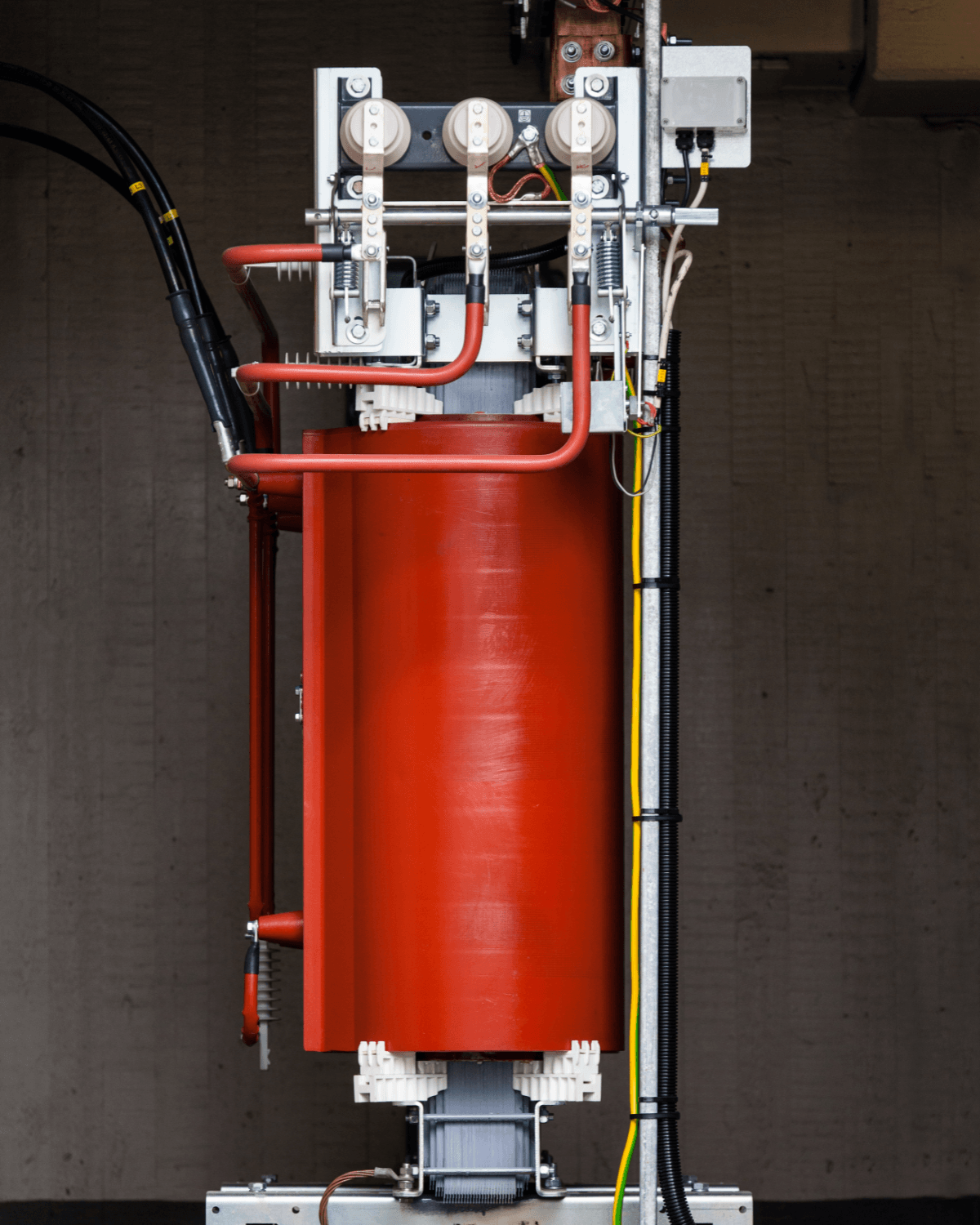
When selecting a transformer, it is easy to focus on the purchase price. However, since a transformer is often in operation for several decades, it is the long-term costs that have the greatest impact on the overall economics.
Energy-efficient transformers are designed to minimize energy losses, both under load and during no-load operation. Lower losses mean reduced energy consumption and, consequently, lower operating costs over the transformer’s entire service life. In many cases, a slightly higher initial investment can quickly be offset by the energy savings realized over time.
In addition to the economic benefits, lower losses also contribute to reduced heat generation, which can decrease the need for cooling and improve the facility’s overall energy efficiency. At the same time, energy-efficient solutions help companies reduce their energy consumption and take important steps toward achieving their sustainability goals.
Calculate and compare losses and costs
To get a clearer picture of the true cost of a transformer, it’s not enough to simply compare purchase prices. It’s just as important to understand how energy losses affect costs year after year. With our Calculation Tool , you can easily calculate and compare energy losses, operating costs, and savings potential over time. This provides a better basis for decision-making and makes it easier to choose the solution that is most cost-effective in the long run.
As energy costs and sustainability requirements continue to rise, it is becoming increasingly important to look beyond the initial investment. Choosing a low-loss transformer is not just about saving energy today, but about creating long-term value for both the business and the environment.

Verified by Thomas Carlsson.
Technical Sales Representative at Unitrafo since 1998.